Cleaner Wrasse Care: Tank Size, Diet, and Setup Guide
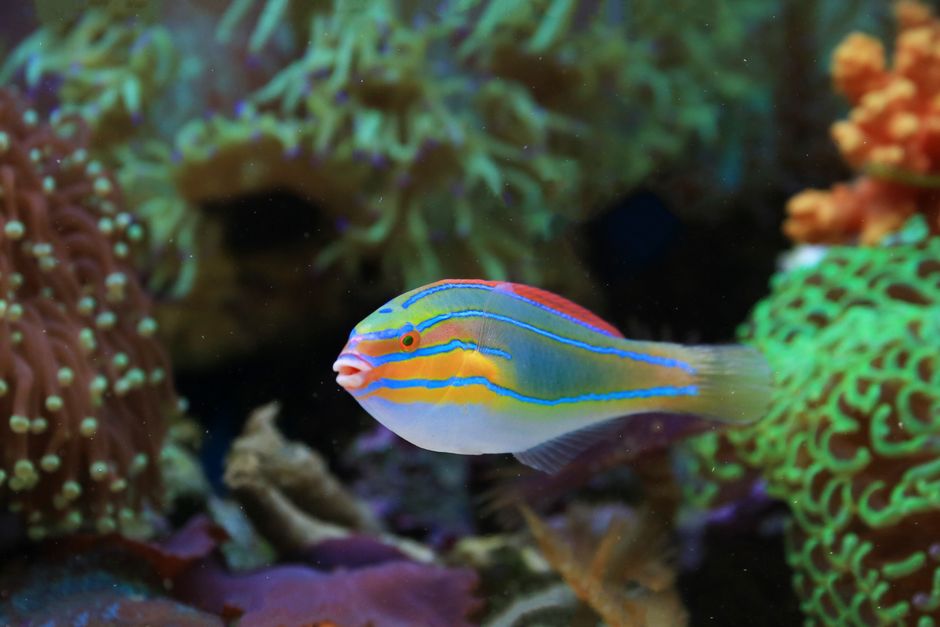
Cleaner wrasses are famous in the marine aquarium hobby for their unique habit of picking parasites off other fish. Proper cleaner wrasse care requires understanding their swimming needs, feeding challenges, and ideal tank setup before bringing one home. With recent updates in cleaner wrasse species classifications, keeping these active reef doctors healthy starts with picking the right environment.
What Tank Size Is Best for Cleaner Wrasse Care?
A cleaner wrasse needs a tank of at least 50 to 75 gallons with plenty of open swimming space and established tankmates. These active fish spend their entire day searching for client fish to clean, so a small tank restricts their movement and limits their social interaction.
Keeping a cleaner wrasse in a nano tank often leads to stress for both the wrasse and its tankmates. In small spaces, the wrasse may constantly harass other fish in a desperate search for food. Larger aquariums provide enough water volume, rockwork hides, and community fish to keep the wrasse occupied without over-stressing neighboring species.
Calculating Adequate Swimming Space
When planning your system, focus on horizontal display length rather than deep vertical height. Cleaner wrasses zip from one end of the aquarium to the other throughout the day. Long tanks give them room to stretch their fins and establish natural cleaning stations on top of high rock formations.
You can use our free aquarium tank calculator to check if your display offers enough water volume and surface space for active marine species. Matching your tank dimensions to the fish you want to keep prevents crowded conditions and water quality problems down the road.
Why Are Cleaner Wrasse Species Hard to Keep in Captivity?
Cleaner wrasses can be difficult to maintain because their natural wild diet consists almost entirely of external parasites and mucous harvested from other reef fish. In a home aquarium, wild parasites quickly disappear, leaving the wrasse without its primary food source unless it adapts to prepared feeds.
Many cleaner wrasses starve in captivity if they refuse commercial fish foods. Successful cleaner wrasse care depends on purchasing specimens that are already eating flake, frozen, or pellet food at the store. Never buy a cleaner wrasse that ignores food during a feeding demonstration.
A healthy biological base in your tank helps support overall system stability while you acclimate delicate fish. If you want to monitor the beneficial bacterial balance in your setup, check out our guide on Aquarium Microbiome Testing & Reef Tank Health to keep your biological filtration running smoothly.
Tips for Training a Cleaner Wrasse to Eat Prepared Foods
If your wrasse is hesitant to take dry food, you can offer small frozen items to trigger its natural feeding instinct. Offering food multiple times per day in small amounts works much better than one large feeding.
- Offer tiny frozen foods like cyclops, rotifers, and baby brine shrimp.
- Shred fresh seafood or frozen mysis into micro-sized pieces.
- Press high-protein marine pastes or gel foods directly onto rockwork near their preferred cleaning station.
- Keep calm tankmates nearby that feed greedily, as cleaner wrasses often learn to eat by watching other fish.
How Do Cleaner Wrasses Interact With Other Tankmates?
Cleaner wrasses interact with most peaceful reef fish by setting up cleaning stations where larger fish stop to be inspected. Tangs, angels, and wrasses often hold still and flare their fins to invite the cleaner wrasse to remove dead skin and pests.
However, aggressive or extremely timid fish may not tolerate a persistent cleaner wrasse. Small gobies, fairy wrasses, or blennies can become stressed if the cleaner wrasse constantly chases them around the display. Always observe how your existing community reacts when introducing a new wrasse.
Always remember to acclimate fish slowly using a drip acclimation method to reduce osmotic shock before releasing them into your main display tank. Sudden changes in salinity or temperature cause extreme stress that weakens a fish's immune system.
While wrasses take care of parasites on fish bodies, other beneficial organisms clean your substrate and rockwork. You can read our Bristle Worm Reef Tank Guide: Good or Bad? to see how bottom-dwelling scavengers work alongside free-swimming cleaner fish to maintain a balanced marine system.
What Equipment and Setup Are Needed for Cleaner Wrasses?
A safe setup for cleaner wrasses requires a tight-fitting mesh lid, strong water flow, and a well-lit reef environment with stable water parameters. Wrasses are notorious jumpers, and a small gap near powerhead cords or overflow boxes is all they need to jump out of the aquarium.
Good flow keeps water well-oxygenated and pushes waste into your filtration system. Because cleaner wrasses are constantly active, high oxygen levels and clean water are essential for their health. Pair strong filtration with steady lighting to maintain a thriving reef habitat.
Essential Setup Checklist
Before introducing a cleaner wrasse to your home display, make sure your hardware and aquarium layout meet these core requirements:
- Install a fine mesh net cover over the entire top of the tank display.
- Secure all filtration plumbing and wire channels to prevent escape gaps.
- Build a sturdy rock structure with multiple caves for the wrasse to sleep in at night.
- Run a reliable protein skimmer to maintain high dissolved oxygen levels.
- Maintain steady water temperature using a quality heater paired with a separate digital controller.
Final Thoughts
Providing long-term cleaner wrasse care depends on offering a spacious tank, plenty of open swimming room, and a varied diet of prepared marine foods. With the right equipment, strong jump protection, and careful fish selection, these fascinating marine fish bring incredible behavior to mature saltwater aquariums. Explore our other TankSizer guides to help size equipment and plan stocking for your next reef build.
Frequently Asked Questions
What size tank does a cleaner wrasse need?
A cleaner wrasse needs a tank of at least 50 to 75 gallons with plenty of swimming space and established tankmates.
What do cleaner wrasses eat in home aquariums?
In aquariums, cleaner wrasses should be fed small frozen foods like mysis, cyclops, and finely chopped seafood alongside high-protein marine flakes or pastes.
Do cleaner wrasses jump out of aquariums?
Yes, cleaner wrasses are known jumpers and require a secure, tight-fitting mesh lid with no open gaps.
Can you keep two cleaner wrasses together?
Keeping multiple cleaner wrasses together is usually not recommended unless you have a very large aquarium, as they may fight over cleaning territory.
Explore More Stocking Guides
 Stocking
Best Algae Eaters for Aquariums: Clean Up Crew Guide
Learn how to choose the right algae eaters for your tank, match species to algae types, and support a healthy clean up crew.
 Stocking
Caribbean Nudibranch Identification Guide
Spotting an unknown sea slug in your reef tank? Learn how to identify Caribbean nudibranchs and protect your corals.