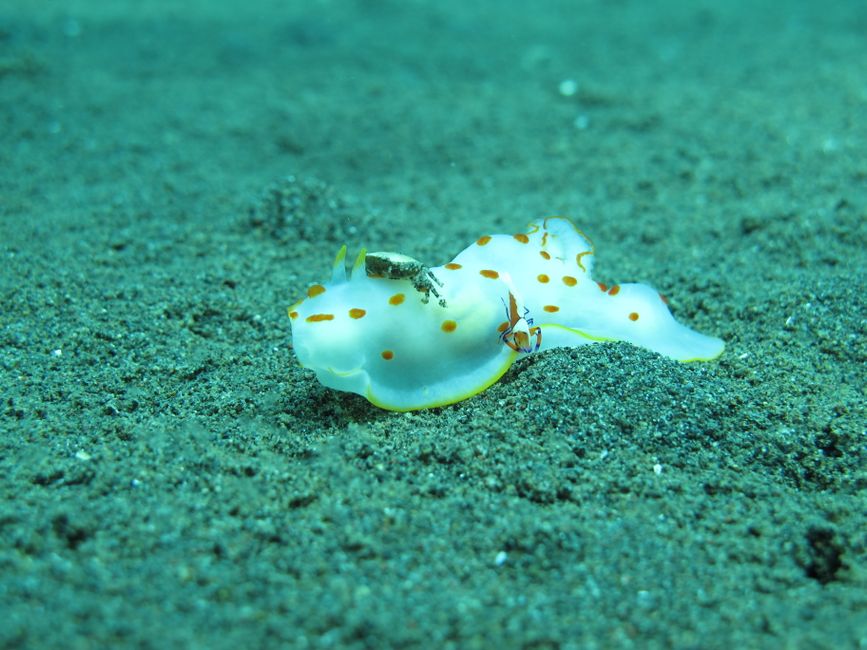
Caribbean Nudibranch Identification Guide
Have you ever spotted a strange, colorful creature crawling across your live rock late at night? Accurate caribbean nudibranch identification is essential when unexpected sea slugs show up in your saltwater aquarium. These striking invertebrate hitchhikers can be beneficial algae eaters, harmless grazers, or destructive coral pests.
How Do Nudibranchs Enter Saltwater Aquariums?
Nudibranchs usually enter reef tanks as microscopic larvae or hidden adults attached to wild live rock, macroalgae, or un-dipped coral frags from Florida and the Caribbean. Because these invertebrates are small and expert hiders, they easily slip past visual inspections during tank stocking.
New live rock and coral colonies provide ideal hiding places for tiny eggs and juvenile slugs. Once inside your aquarium, they search for their preferred food sources. Monitoring your biological stability through tools like aquarium microbiome testing helps you track overall tank health when introducing live rock or wild specimens.
Spotting Hitchhikers Before They Spread
The best time to inspect your aquarium for hidden sea slugs is after dark. Use a red flashlight or low blue night lighting about an hour after your primary tank lights turn off.
Check along the base of stony corals, underneath rock overhangs, and around macroalgae stems. Look for small, moving bumps or colorful tufts that do not match the surrounding rock structure.
Why Is Caribbean Nudibranch Identification So Important for Reef Tanks?
Proper Caribbean nudibranch identification matters because sea slugs are extreme dietary specialists that either starve quickly or eat specific corals and sponges in your display tank. Unlike generalist snails, most nudibranch species eat only one specific type of food.
If you identify a beneficial species, it might keep nuisance algae or unwanted pest anemones under control. However, if you mistakenly harbor a coral-eating pest, it can destroy entire colonies of Montipora, Zoanthids, or soft corals in just a few weeks. Safety note: Always wear protective gloves when handling unknown marine invertebrates or applying coral dips, as certain marine organisms carry mild toxins or irritants.
How Can You Tell Good Sea Slugs From Coral Pests?
You can differentiate beneficial sea slugs from destructive pests by observing their physical shape, color camouflage, and exact location in the tank. Pest nudibranchs usually match the exact color and pattern of the specific coral they devour.
Just like managing bristle worms in your reef tank, you need to observe the creature's behavior before deciding whether to remove it. Beneficial species generally move active across rocks or glass, while pest species stay clustered directly on coral polyps.
- Lettuce Sea Slugs: Ruffled, leaf-like edges along their backs with pale green or blue patterns. They eat nuisance hair algae and are completely safe for corals.
- Zoanthid-Eating Nudibranchs: Small brownish bodies with frilled appendages. They stay directly on Zoanthid mats and cause polyps to remain closed.
- Montipora-Eating Nudibranchs: Tiny white or cream-colored slugs with feathery backs. They hide on the shaded undersides of Montipora plating corals.
- Aiptasia-Eating Slugs: Slender bodies with gray or brownish cerata. They search out and destroy pest anemones without harming stony corals.
How Should You Set Up a Quarantine Tank for Unknown Invertebrates?
Setting up a small ten-gallon observation tank allows you to isolate unknown hitchhikers without risking your main display aquarium. A dedicated quarantine setup gives you time to observe feeding habits and confirm species identity.
Your quarantine setup does not need complex equipment. A simple sponge filter, a reliable glass heater, and a small LED light will keep the water stable while you inspect new arrivals. Before setting up a temporary quarantine system, use our free aquarium tank calculator to determine exact water volume for safe water changes and precise dip measurements.
Safe Removal and Dip Protocols
If you spot an unknown slug on a coral frag, move the coral into a shallow container filled with tank water. Gently swish the coral to loosen any attached invertebrates.
Use a standard coral dip formulated for marine aquariums, following the product label directions carefully. Always unplug your submerged heaters and pumps before putting your hands into quarantine water to perform thorough equipment cleaning or coral maintenance.
What Should You Do If You Find a Harmful Nudibranch?
If you spot a harmful nudibranch, physically remove it with a siphon or soft manual tool and inspect surrounding coral bases for egg clutches. Chemical treatments in the main display tank are unsafe because dying sea slugs release toxins into the water column.
- Siphon out visible adult slugs using a piece of rigid airline tubing attached to flexible hose.
- Use a soft turkey baster to blast water into coral crevices, dislodging hidden juvenile pests.
- Scrape off tiny white or clear spiral egg masses from bare coral skeletons using a fine brush.
- Repeat target dips weekly for four consecutive weeks to interrupt the hatching cycle of newly laid eggs.
Final Thoughts
Mastering **caribbean nudibranch identification** gives you total control over what lives and thrives inside your reef aquarium ecosystem. By observing hitchhikers closely and using safe isolation protocols, you protect your delicate corals while keeping beneficial grazers. Explore our other practical TankSizer guides to keep your aquarium setup healthy, safe, and balanced.
Frequently Asked Questions
Are all Caribbean nudibranchs dangerous to corals?
No, many Caribbean sea slugs are harmless algae grazers, while others target pest anemones. However, specialized species do feed directly on specific live corals and sponges.
How do nudibranchs get into a saltwater tank?
They typically enter saltwater aquariums as hidden eggs or tiny hitchhikers on live rock, macroalgae, or un-dipped coral specimens.
Can nudibranchs breed in a home reef aquarium?
Yes, if a breeding pair or egg mass enters the tank, they can reproduce quickly as long as their specific food source is present.
What is the best way to dip corals for pest nudibranchs?
Use a commercial coral dip according to product label instructions and gently swirl the coral frag in a separate bucket to dislodge pests before adding it to your display.
Explore More Stocking Guides
 Stocking
Best Algae Eaters for Aquariums: Clean Up Crew Guide
Learn how to choose the right algae eaters for your tank, match species to algae types, and support a healthy clean up crew.
 Stocking
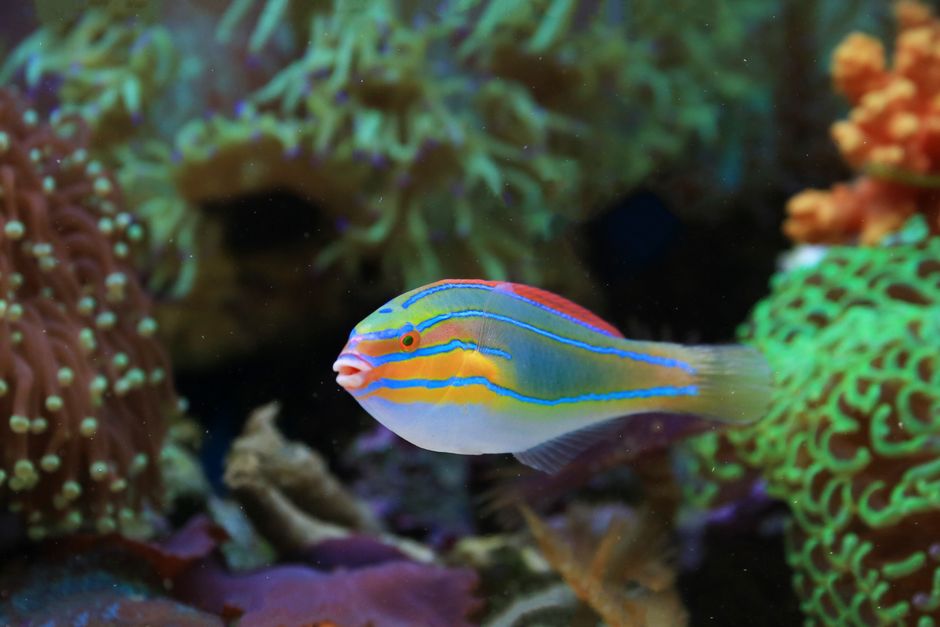
Cleaner Wrasse Care: Tank Size, Diet, and Setup Guide
Learn proper cleaner wrasse care, including tank size needs, diet transitions, and safe setup tips for marine reef tanks.