
Best Algae Eaters for Aquariums: Clean Up Crew Guide
Algae growth is a natural part of running any freshwater glass or acrylic tank. Finding the best algae eaters for aquariums can transform how you manage your display by keeping glass, rocks, and live plants looking pristine. Adding these aquatic helpers reduces your weekly maintenance workload while bringing active new behaviors into your community setup.
What Role Do Algae Eaters Play in Your Tank?
Algae eaters serve as a hard-working cleanup crew in your aquatic ecosystem. They spend their days grazing on microscopic film, soft green growth, and organic debris that settles on leaves and hardscape decorations. While they clean, they also pick up leftover fish food off the substrate before those decaying scraps ruin your water chemistry.
Having a dedicated cleanup team creates a more stable biological environment. These animals convert unwanted plant growth into waste that your biological filter can process much more easily. Strong filtration works side by side with these scavengers to keep nitrate levels steady between routine water changes.
Setting Realistic Expectations for Cleaners
No fish or invertebrate will completely eliminate the need for regular hands-on tank care. A cleanup crew dramatically reduces how often you must scrape your glass walls, but they cannot correct major lighting schedule errors or excess nutrient spikes on their own.
Understanding what your helpers can and cannot do prevents disappointment and keeps your tank healthy.
- They reduce daily film buildup on glass walls and rocks.
- They scavenge food particles dropped into hard-to-reach plant clusters.
- They cannot clear dense cyanobacteria outbreaks or stubborn black brush growth alone.
- They add bioload to your biological filter and produce solid waste that requires siphoning.
How to Choose the Best Algae Eaters for Aquariums
Selecting the best algae eaters for aquariums requires evaluating your total water volume, current livestock list, and biological filtration capacity. Every new creature you add increases the waste output of your system, so you must verify that your setup can handle the extra demand.
Before buying new livestock, use our free aquarium tank calculator to check your available volume and stocking limits. Adding too many bottom dwellers to a small tank leads to territorial fighting and degraded water quality. You should also ensure your filter provides proper flow, which you can read about in our aquarium filter flow rate guide.
Tank volume heavily dictates which species will thrive in your home. Small nano tanks under twenty gallons do best with nerite snails, cherry shrimp, or a small group of dwarf sucker catfish. Larger aquariums can host bigger plecos, hillstream loaches, or Siamese algae eaters that require ample grazing surface and room to swim.
Adding substrate type into your decision process is equally important. Species like hillstream loaches require smooth river stones and clean gravel to graze comfortably, while soft-bodied snails or delicate shrimp thrive on smooth sand or fine aquasoil. Matching your hardscape to your cleanup species prevents injuries to delicate barbels or shells.
Tank mate compatibility is another crucial detail to review. Aggressive cichlids or predatory fish will quickly turn small shrimp and snails into an expensive snack. Always check that prospective tank cleaners match the temperament and water parameter needs of your existing community.
Popular Algae Eating Fish and Invertebrates
Different cleaning species target distinct types of growth and inhabit different water zones. Combining a few compatible species builds a well rounded team that keeps every area of your aquarium tidy.
Invertebrates offer incredible cleaning efficiency compared to the low waste load they produce. Nerite snails are famous for scraping tough green spots off glass without multiplying endlessly in freshwater tanks. Amano shrimp are industrious scavengers that pick through delicate mosses and fine stem plants to remove hair algae and trapped food bits.
If you prefer active swimming fish, small dwarf sucker catfish like otocinclus work around the clock on plant leaves and glass surfaces. Bristlenose plecos are an outstanding choice for medium to large aquariums because they stay far smaller than common plecos while efficiently clearing soft brown diatoms from wood and rocks.
Matching Cleaners to Your Specific Algae Type
Not all clean up animals share the same diet or mouth structure. Identifying the exact type of growth in your display helps you choose the right helper for the job.
- Green spot algae on glass: Best controlled by nerite snails with strong scraping mouthparts.
- Soft brown diatoms and film: Quickly cleared by otocinclus catfish and young bristlenose plecos.
- Hair and stringy green growth: Efficiently picked clean by amano shrimp and true Siamese algae eaters.
- Organic detritus and uneaten flakes: Scavenged rapidly by ghost shrimp and peaceful corydoras.
How to Care for Your Cleanup Crew
Proper care begins before you introduce new inhabitants to your display tank. Always acclimate new fish and invertebrates slowly using a drip method or gradual water mixing. This protects them from sudden shifts in water temperature, pH, and mineral hardness.
You must provide dedicated feeding for your cleanup crew once visible growth in the tank decreases. Many aquarists unintentionally starve these beneficial animals by assuming there is always enough natural food available. Offer high quality spirulina wafers, sinking bottom feeder pellets, and blanched vegetables like zucchini slices once or twice a week after lights out.
Monitoring water parameter stability is critical for shell-building invertebrates like snails. Soft, acidic water can dissolve snail shells over time, leading to pitting and health issues. Keeping your calcium levels steady and maintaining a stable pH ensures your hard-shelled helpers stay strong.
Maintain stable water conditions with regular testing and scheduled water changes. Always practice basic safety during maintenance work. Unplug heaters and electrical equipment before draining water to prevent thermal stress, cracked glass elements, or electrical hazards. Remember that invertebrates are very sensitive to copper treatments, so always verify product labels before treating fish illnesses in your main display.
Final Thoughts
Selecting the best algae eaters for aquariums helps keep your ecosystem balanced while giving you more time to enjoy your aquascape. Matching your livestock selection to your tank size and feeding them supplemental diets keeps your clean up crew energetic and healthy for years. Explore more TankSizer guides to master filtration turnover, substrate selection, and proper aquarium stocking.
Frequently Asked Questions
Do algae eaters eat fish poop?
No, algae eaters do not eat fish waste. They consume algae, organic film, and leftover fish food, so regular substrate siphoning is still required.
How many algae eaters should I put in my tank?
The number depends on your total tank volume, available algae growth, and filtration capacity. Start small, such as one nerite snail per ten gallons, and adjust as needed.
Can algae eaters live on algae alone?
Most clean up species require supplemental food once visible tank algae decreases. Feed them sinking wafers, spirulina pellets, and blanched vegetables to keep them healthy.
Will algae eaters harm live aquarium plants?
Most popular species like otocinclus catfish, amano shrimp, and nerite snails are completely plant safe. They graze on leaf surfaces without damaging living plant tissue.
Explore More Stocking Guides
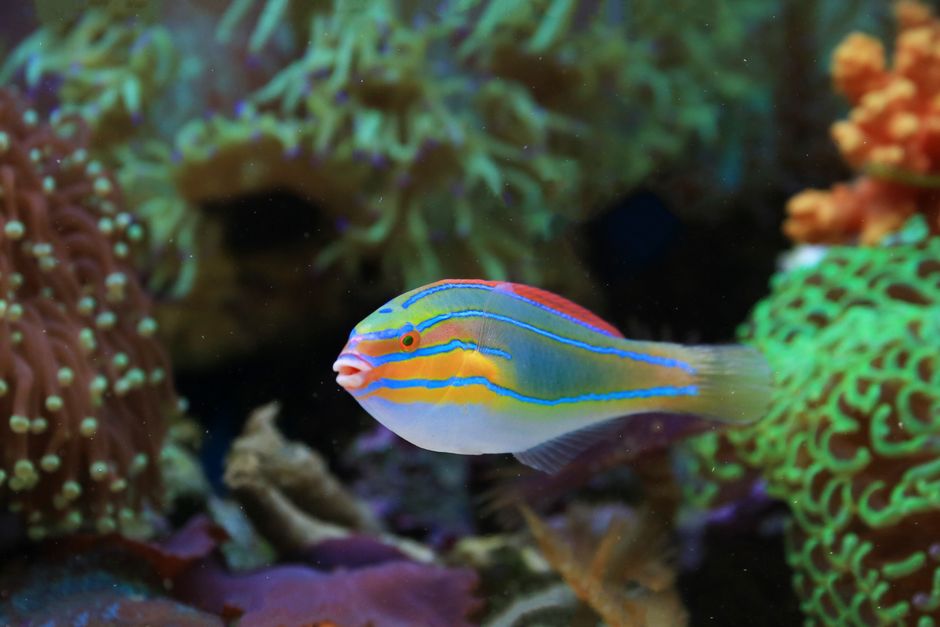 Stocking
Cleaner Wrasse Care: Tank Size, Diet, and Setup Guide
Learn proper cleaner wrasse care, including tank size needs, diet transitions, and safe setup tips for marine reef tanks.
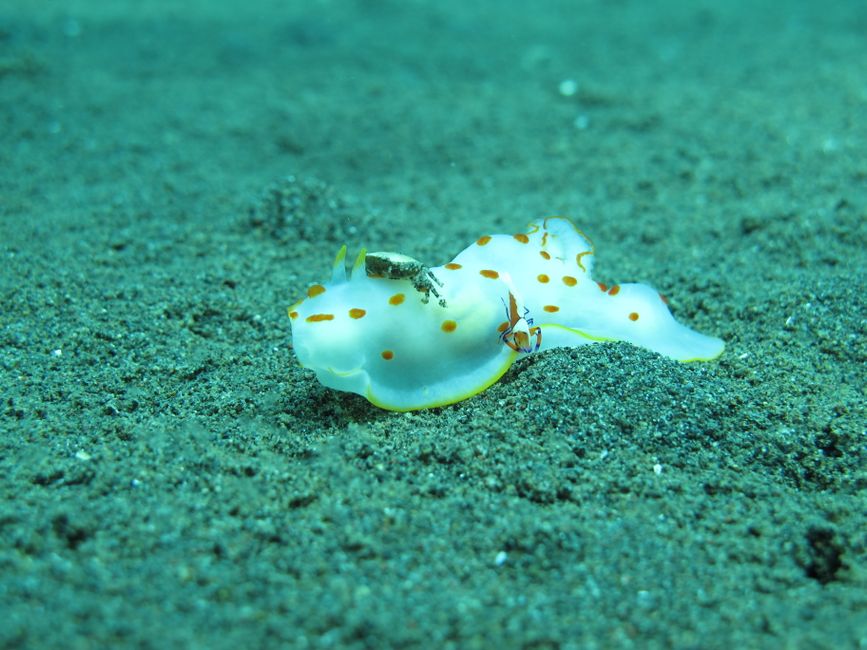 Stocking
Caribbean Nudibranch Identification Guide
Spotting an unknown sea slug in your reef tank? Learn how to identify Caribbean nudibranchs and protect your corals.