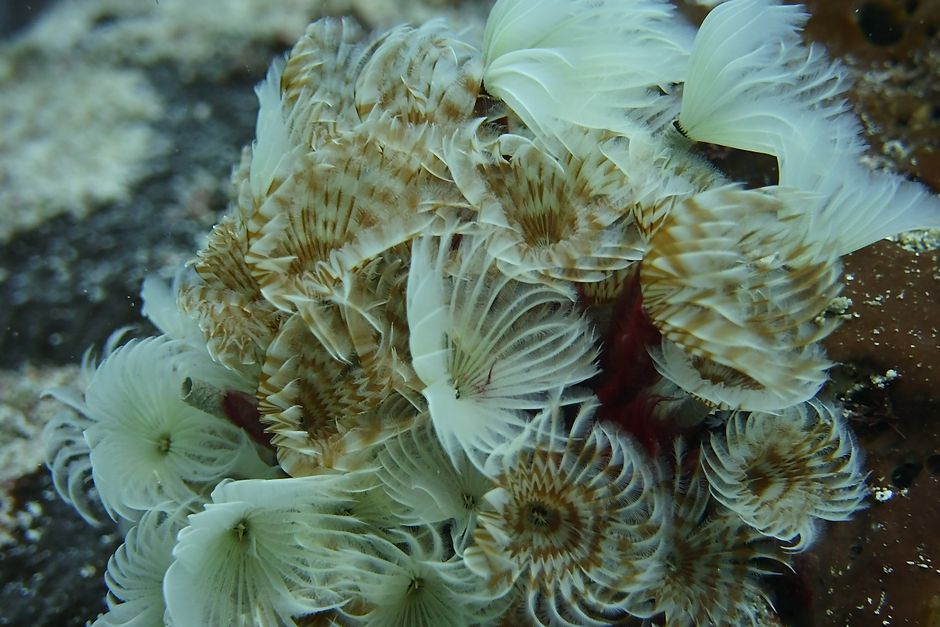
Bristle Worm Reef Tank Guide: Good or Bad?
Spotting a creepy segmented worm in your saltwater aquarium late at night can cause instant panic. Seeing a bristle worm reef tank inhabitant crawling through your substrate might look terrifying, but these nocturnal invertebrates are usually harmless scavengers. Let us examine what these creatures actually do, whether you should remove them, and how to control their numbers safely.
Are Bristle Worms Good or Bad for Your Reef Tank?
Most common bristle worms are highly beneficial detritivores that clean up leftover fish food, fish waste, and organic debris. They easily crawl into tiny crevices inside live rock where fish and snails cannot reach. This constant scavenging action stops organic matter from rotting and breaking down into harmful ammonia or nitrates.
However, problems start when overfeeding causes their population to explode. Thousands of worms crawling over corals during feeding time can irritate soft coral tissue, causing corals to close up. Distinguishing helpful scavengers from rare destructive species like fireworms helps keep your aquarium balanced and healthy.
Fireworms vs Common Bristle Worms
Common bristle worms are typically thin, pink, gray, or brown, and lack bright red or orange tufts along their sides. They eat dead tissue, detritus, and uneaten fish food without harming live corals. Fireworms have vibrant coloration, defined red bristles, and actively prey on living coral polyps and invertebrates.
If you see a brightly colored worm with prominent white tufts and red bands, handle it with extreme caution. Fireworms possess venomous bristles that inflict painful stings on human skin and cause severe damage to soft corals. Keeping a close eye on your tank with a red flashlight at night lets you spot these unwanted species early.
How Do Bristle Worms Get Into Your Aquarium?
Bristle worms enter marine aquariums as hitchhikers attached to uncurated live rock, coral frags, or substrate. Microscopic larvae and tiny juvenile worms hide deep inside tiny porous rock holes, making them almost impossible to see with the naked eye during purchase.
When you add new live rock or coral pieces without dipping or quarantining them, you introduce these scavengers into your ecosystem. Over time, warm water, plenty of hiding spots, and excess waste allow a couple of hidden worms to reproduce rapidly.
Managing Nutrient Levels and Feeding Habits
Controlling your tank feeding routine is the single most effective way to prevent a population surge. Excess food sinking into the sand bed creates an unlimited food supply for scavengers. Measuring your tank volume accurately with our free aquarium tank calculator ensures you stock appropriate fish quantities and do not overfeed the system.
Regular gravel vacuuming around the base of live rock removes trapped detritus before worms can feed on it. Maintaining a balanced biological filter through proper testing also keeps waste levels low. Check our guide on aquarium microbiome testing to monitor overall biological health and bacterial diversity in your reef.
How to Safely Remove Bristle Worms
You can safely lower bristle worm numbers using physical traps, manual removal, or natural predators. Never try to crush a worm with your fingers or bare hands inside the tank, because sharp fiberglass bristles can pierce your skin and cause painful swelling.
Always wear thick rubber or nitrile gloves whenever you adjust live rock or remove pests from your saltwater setup. Always remember to turn off powerheads and unplug heaters during major tank maintenance to keep yourself safe from electrical hazards.
- Use a Commercial or DIY Worm Trap: Bait a small plastic trap with a piece of fresh shrimp after lights go out. Worms enter the small funnel holes to eat the bait and cannot swim back out.
- Manual Removal with Tweezers: Use long plastic or stainless steel tweezers to grab worms during night raids when they emerge from live rock. Pull slowly so the body does not break apart inside the water.
- Add Natural Biological Predators: Introduce fish species that naturally hunt small invertebrates, such as arrow crabs, six-line wrasses, or coral banded shrimp.
When adding biological predators, make sure your aquarium has enough swimming space and rockwork to house them comfortably. Overcrowding your tank with pest-eating fish can lead to aggression and poor water quality if the aquarium is too small for the adult size of the fish.
When Should You Be Concerned About Bristle Worms?
You only need to take action against bristle worms if you notice them swarming open areas during daytime or irritating delicate corals. Seeing dozens of worms out in daylight usually signals severe overfeeding, excessive detritus accumulation, or a hidden dead organism inside the rockwork.
If corals stay closed constantly because worms are crawling over their bases, population control is necessary. Reducing daily food portions and increasing water flow across the substrate usually drives worm populations back down to natural levels within a few weeks.
Monitoring water parameters closely while reducing food prevents sudden nutrient spikes. Removing dead plant matter, untrimmed macroalgae, and decaying debris cuts off their secondary food sources quickly.
Final Thoughts
Finding a bristle worm reef tank inhabitant might startle you at night, but these scavengers play a useful role in keeping waste levels down. By avoiding overfeeding and using simple physical traps when populations get too large, you can easily maintain a clean, stable ecosystem. Explore more TankSizer guides to learn extra tips on maintaining water quality, sizing equipment, and keeping your marine tank thriving.
Frequently Asked Questions
Do bristle worms eat live corals?
Standard bristle worms only eat decaying organic waste and detritus, leaving live corals alone. Only specific predatory species like fireworms actively damage live coral polyps.
Can bristle worms sting human hands?
Yes, their bristles break off easily upon skin contact, causing sharp itching, burning, and skin irritation. Wear thick protective gloves whenever moving live rock or substrate.
How do you get rid of bristle worms naturally?
Reduce fish food portions to limit their food supply and introduce natural predators like arrow crabs or wrasses. Trapping them at night with bait also helps lower numbers quickly.
How big do bristle worms get in a home aquarium?
Most common aquarium bristle worms grow between two to four inches long, though hidden specimens in large systems can occasionally grow larger.
Explore More Maintenance Guides
 Maintenance
Aquarium Salt: When to Use It in Freshwater Tanks
Learn when to use aquarium salt to treat fish stress and illness safely, and when to avoid it in freshwater aquariums.
 Maintenance
Aquarium Microbiome Testing & Reef Tank Health
Discover how aquarium microbiome testing works, why marine bacteria matter, and how to maintain ecosystem stability in your tank.