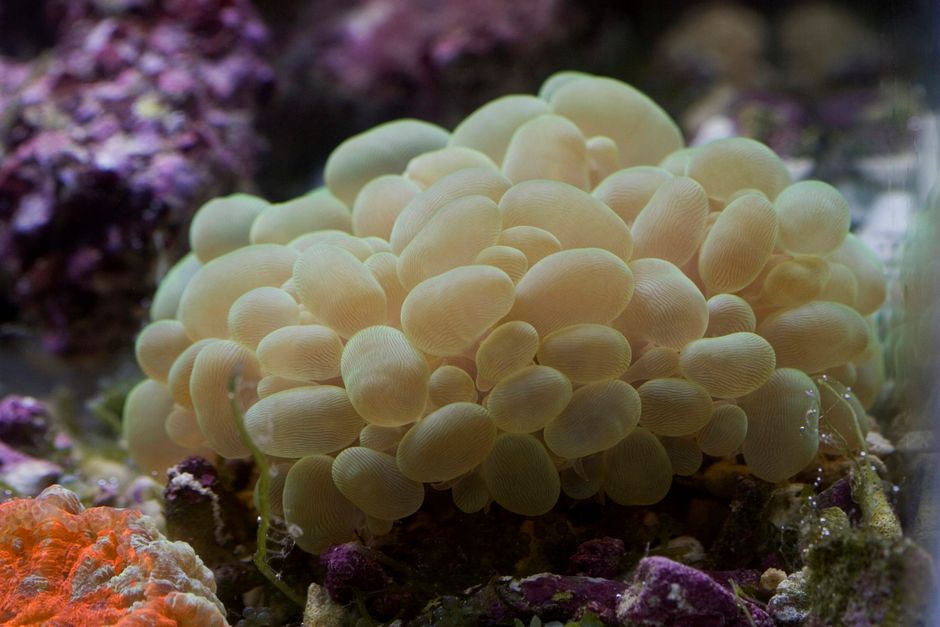
Aquarium Microbiome Testing & Reef Tank Health
Marine aquarium hobbyists face big decisions following news about the potential shutdown of AquaBiomics. The pioneer laboratory service, created by marine scientist Dr. Eli Meyer, changed how people care for coral reefs by bringing aquarium microbiome testing directly to home hobbyists. Understanding how tiny microorganisms interact inside your water helps you make smarter choices about tank size, rock selection, and biological media.
What is aquarium microbiome testing and why does it matter?
Aquarium microbiome testing uses advanced genetic sequencing to identify the exact bacteria, archaea, and microscopic organisms living inside a fish tank. Standard water parameter kits measure non-living chemistry like calcium, alkalinity, nitrate, and phosphate. In contrast, testing the microbiome reveals the living engine that processes physical waste and keeps your tank balanced.
Microscopic life forms live everywhere inside your tank setup. They populate your sand bed, live rock, ceramic biological rings, and even the open water column. When beneficial bacterial strains flourish, they process fish waste quickly and outcompete harmful organisms like dinoflagellates and pathogenic bacteria.
Understanding your tank's microbial profile gives you early warnings about ecosystem shifts. A sudden drop in bacterial diversity often precedes major pest outbreaks or mystery coral bleaching. By looking at the biological makeup rather than just chemical numbers, reef keepers can spot potential issues before corals show visible damage or stress.
How did AquaBiomics change reef tank water testing?
AquaBiomics made advanced biological analysis accessible to everyday reef aquarists for the very first time. Before this laboratory service began, most home aquarists relied strictly on standard drop test kits, refractometers, and chemical ICP water testing. Dr. Eli Meyer applied professional marine biology techniques to give aquarists a clear picture of their invisible biological community.
Reef keepers could mail in simple water or swab samples to receive a detailed breakdown of their tank's bacterial profile. The reports compared the aquarium's bacterial diversity to real wild reef samples and healthy mature captive systems. Aquarists could finally see if commercial bacterial additives actually established themselves inside their filtration media.
This level of testing helped resolve long-standing debates about biological filtration methods. Aquarists used the data to evaluate whether deep sand beds, bare-bottom tanks, or porous bio-media produced the healthiest microbial environments. It changed reef keeping from a game of guessing parameters into a more predictable, evidence-based habit.
Why standard water tests miss the full picture
Standard chemical testing measures chemical outputs, but it cannot show you the living workforce handling those chemicals. Two aquariums can show matching zero-ppm ammonia and low nitrate readings on standard liquid tests, yet perform completely differently. One setup might grow healthy stony corals effortlessly, while the other struggles with unexplained coral mortality and persistent cyanobacteria.
The primary difference between those two setups usually boils down to microbial community composition. A tank with a diverse, stable population of beneficial reef aquarium bacteria can withstand sudden environmental changes far better than a tank reliant on a fragile, single-strain bacterial population.
How to maintain reef tank biological balance after AquaBiomics
If AquaBiomics ceases operations, aquarists will need to rely more heavily on proven, practical husbandry techniques to preserve biological balance. You do not need monthly DNA sequencing to maintain a stable, thriving reef ecosystem if your fundamental maintenance habits are solid.
Managing your tank's biological load starts with proper equipment sizing and realistic stocking limits. Before adding new fish, biological media, or clean-up crew members, check our free aquarium tank calculator to verify your exact system volume and display tank dimensions. Having correct calculations prevents accidental overstocking that can overwhelm your beneficial bacterial capacity.
Equipment safety is equally critical during daily care and routine maintenance. Remember to unplug all submerged equipment, including heaters and powerheads, before putting your hands in the water or executing major water changes. This single safety step prevents dangerous electric shocks and keeps dry-running heater glass from cracking.
Best practices for building healthy reef aquarium bacteria
Establishing a resilient biological community requires patience, consistent husbandry, and the right habitat materials. Beneficial bacteria need clean, porous surfaces with strong water movement to thrive and process organic waste efficiently.
Here are proven steps to help support and maintain healthy bacterial populations in your aquarium:
- Source high quality, fully cured live rock or mature seeded rock from clean, established systems to introduce diverse beneficial strains.
- Maintain continuous, gentle water flow through all biological filter media so oxygen and nutrients reach the entire bacterial colony.
- Avoid over-cleaning biological filter media during maintenance, and always rinse ceramic media in removed tank water rather than tap water.
- Use chemical filter media like activated carbon or granular ferric oxide thoughtfully, so you do not strip out beneficial organic compounds entirely.
- Feed your fish and corals high quality foods in consistent, moderate quantities to provide a steady nutrient source for micro-fauna without causing waste spikes.
- Keep essential water conditions like salinity, temperature, and pH stable to protect sensitive bacterial strains from rapid die-offs.
By building these habits into your weekly routine, you create a self-sustaining biological filter that keeps water clear and livestock healthy.
Equipment sizing and light intensity for microbial health
The choice of equipment directly impacts the microbial environment in your display tank. Running high intensity lighting for too long can spur aggressive pest microalgae that crowds out beneficial bacterial biofilms on your rockwork. Review our High Output Aquarium LED Lights: Sizing & Setup Guide to match your lighting schedule and power output to your specific tank footprint and coral species.
What comes next for aquarium microbiome testing options?
Although the loss of AquaBiomics leaves a temporary gap in marine biological testing, interest in microbial science remains stronger than ever among reef hobbyists. The marine aquarium industry has consistently adapted as new scientific tools become available to home aquarists.
Standard ICP reef tank water testing services remain readily available to monitor trace elements, heavy metals, and baseline water chemistry. Meanwhile, research into commercial bacterial supplements and biological filtration media continues to expand.
In the coming years, new laboratories may introduce affordable DNA testing kits to fill the void left by Dr. Eli Meyer's service. Until then, reef keepers can rely on traditional observation skills like monitoring coral polyp expansion, watching for clear substrate, and maintaining disciplined water change routines.
Final Thoughts
Aquarium microbiome testing changed how home aquarists understand the biological mechanics of marine and reef tanks. Even as testing options shift, keeping your tank balanced comes down to smart equipment sizing, proper stocking, and stable water quality. Explore our other TankSizer guides to learn more about sizing filters, managing heater safety, and setting up healthy home aquariums.
Frequently Asked Questions
What is aquarium microbiome testing?
Aquarium microbiome testing uses DNA sequencing to identify the bacteria, archaea, and microscopic species living in your tank water and filter media. This helps aquarists assess biological diversity and detect hidden pathogens.
Why is the marine microbiome important in a reef tank?
The marine microbiome processes biological waste like ammonia, outcompetes nuisance pests, and provides vital nutrition for corals. A diverse bacterial community keeps water chemistry stable and prevents sudden tank crashes.
How often should you test your reef tank microbiome?
Most aquarists test their microbiome once or twice a year, or after major changes like tank moves, severe disease outbreaks, or biological crashes. Regular chemical testing is still done weekly.
Can you fix a reef tank microbiome without laboratory testing?
Yes, you can support a healthy tank microbiome by adding clean live rock, avoiding over-sanitizing filter media, maintaining steady water parameters, and practicing good stocking habits.
Explore More Maintenance Guides
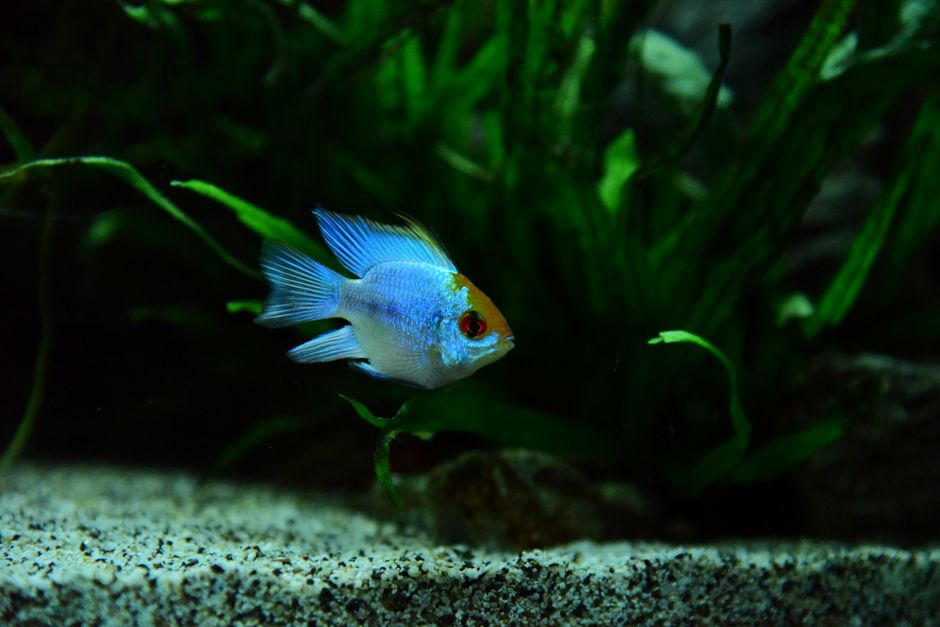 Maintenance
Aquarium Salt: When to Use It in Freshwater Tanks
Learn when to use aquarium salt to treat fish stress and illness safely, and when to avoid it in freshwater aquariums.
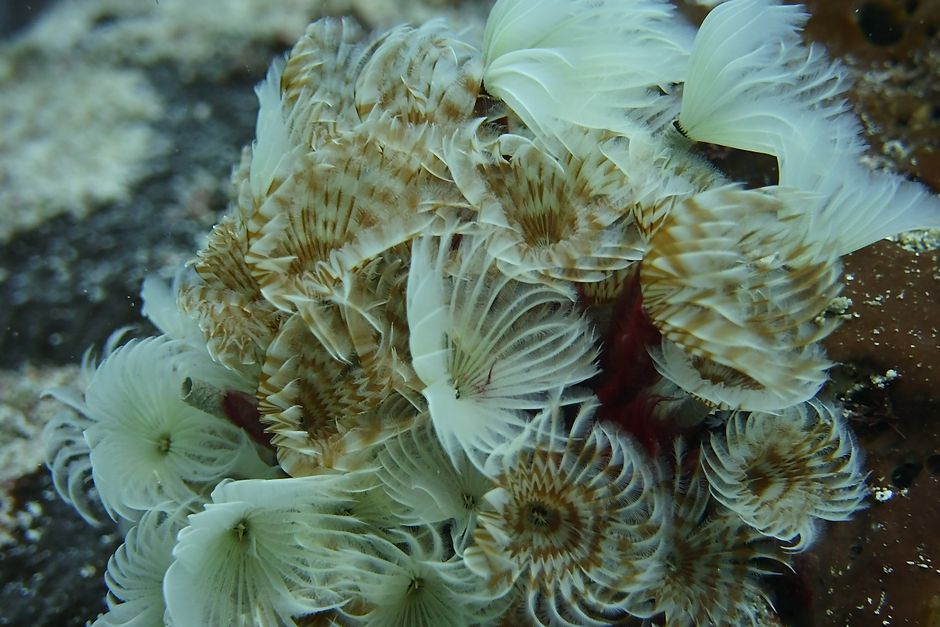 Maintenance
Bristle Worm Reef Tank Guide: Good or Bad?
Learn if bristle worms in your reef tank are beneficial scavengers or harmful pests, and how to safely control their numbers.