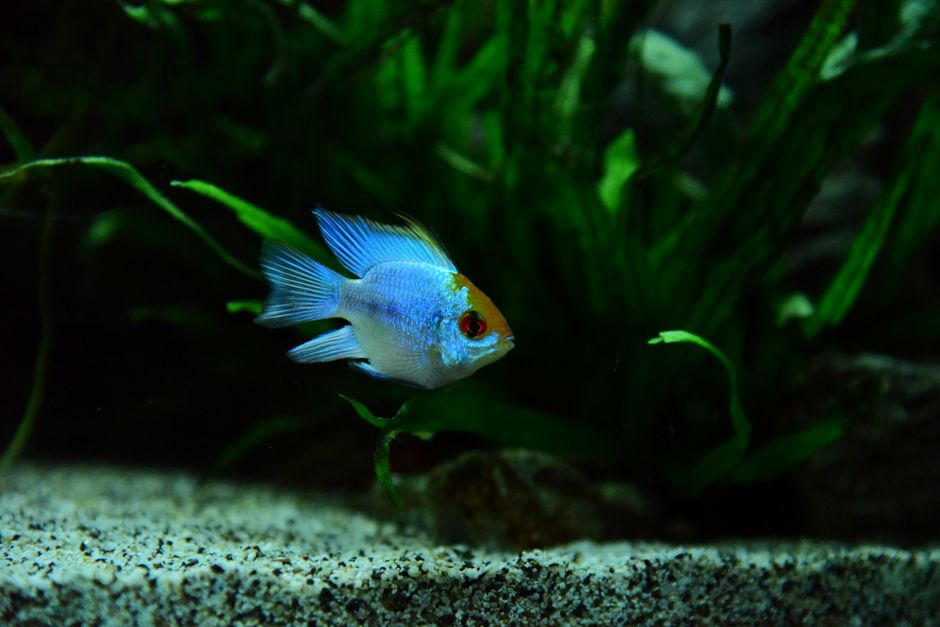
Aquarium Salt: When to Use It in Freshwater Tanks
Adding sodium chloride to a freshwater tank can be a great way to relieve stress and treat minor ailments in your fish. Knowing about aquarium salt when to use it properly can save your fish from illness without harming your water chemistry. Used correctly, it is one of the safest tools in fishkeeping, but using it at the wrong time can cause real damage.
What is freshwater aquarium salt and how does it work?
Freshwater aquarium salt consists of pure sodium chloride without added iodine or anti-caking agents. It works by altering the fluid balance in your aquarium, making it easier for fish to process water through their gills and skin.
Fish constantly absorb water through their bodies in a process called osmoregulation. When fish are sick or stressed, their body systems struggle to pump out excess fluid. Adding a low level of salt reduces this osmotic pressure, allowing your fish to save energy and heal faster.
Osmoregulation made simple
Think of osmoregulation as the internal balance mechanism that keeps a freshwater fish from swelling up with excess water. In fresh water, the inside of a fish contains more salt than the surrounding environment. This difference naturally pulls fresh water into the tissues of the fish.
When you add salt to the tank water, you close that gap slightly. This gives the body of the fish a temporary rest from constantly pushing water out. That extra energy can then go straight toward fighting off infections or recovering from environmental stress.
Aquarium salt when to use it for fish health
You should understand aquarium salt when to use it for mild infections, stress recovery, and reducing toxicity during water quality spikes. Salt helps build up protective slime coats, clears soft tissue parasites, and shields fish from harmful chemical spikes in the water.
Treating mild illnesses and parasites
Salt acts as a natural external disinfectant in fresh water. It kills single-celled organisms like protozoa by dehydrating them, while leaving the hardier host fish unharmed. Here are key scenarios where salt is beneficial:
- Relieving stress during fish transport, tank moves, or after aggressive handling.
- Protecting fish against dangerous nitrite poisoning by blocking toxin uptake in the gills.
- Helping fish heal mild physical wounds, torn fins, and minor fungal patches.
- Eradicating external parasites like ich during early stages of infection.
Before treating a full tank, calculate your exact water volume using our free aquarium tank calculator to make sure you do not over-dose or under-dose the treatment. Knowing your precise water volume is essential because salt does not evaporate and only leaves the tank through water changes.
When should you avoid using aquarium salt?
You should never add aquarium salt as a routine preventative measure during regular water changes. Keeping salt in a freshwater aquarium permanently can strain fish kidneys over time and harm sensitive species in your tank.
Certain aquatic animals and plants cannot tolerate salt even in low concentrations. Adding salt to tanks with delicate life forms can lead to leaf loss, skin irritation, or severe stress. Avoid using salt if you keep any of the following:
- Scaleless fish such as corydoras, plecos, and various species of loaches.
- Delicate live plants like java moss, vallisneria, and cryptocoryne species.
- Aquatic invertebrates like mystery snails, nerite snails, and dwarf shrimp.
If you are worried about the overall biological balance of your setup, salt can also disrupt beneficial microorganisms. You can learn more about living aquatic bacteria in our guide to aquarium microbiome testing and reef tank health to see how tiny balance changes impact overall water quality.
How to administer an aquarium salt bath safely
Administering a salt bath involves dipping a sick fish into a concentrated solution in a separate container for a short period. This method targets parasites directly without exposing your main display tank, live plants, or scaleless species to high salt levels.
To start, fill a clean bucket with water pulled straight from your main tank. Slowly mix in the salt according to the product label until it completely dissolves in the bucket. Never pour dry salt directly into an aquarium, because undissolved crystals can burn delicate skin and gills.
Place the affected fish into the salt bucket and watch it closely during the treatment. If the fish rolls onto its side or shows extreme distress, remove it immediately and place it back into fresh tank water. As a routine safety note, always remember to unplug heaters during water changes or maintenance to avoid glass breakage and burn hazards.
After the short bath, gently net the fish back into your main tank. Discard the bath water completely. Repeating this brief process over a few days often solves mild parasite problems without altering your main aquarium chemistry.
Final Thoughts
Understanding aquarium salt when to use it effectively helps you handle fish health issues quickly and safely. By reserving salt treatments for specific illnesses and temporary baths, you protect your delicate plants, beneficial bacteria, and scaleless bottom dwellers. Check out our other practical TankSizer guides to learn more about keeping your aquarium healthy and well balanced.
Frequently Asked Questions
Does aquarium salt evaporate from the tank?
No, aquarium salt does not evaporate with water. It can only be removed from your aquarium through physical water changes.
Can I use table salt instead of aquarium salt?
You should avoid table salt because it often contains iodine and anti-caking additives that can harm fish. Always use pure sodium chloride designated for aquarium use.
Is aquarium salt safe for mystery snails and shrimp?
Most aquatic invertebrates are very sensitive to salt in the water. It is best to treat fish in a separate bucket to protect your snails and shrimp.
How long should an aquarium salt treatment last?
Full tank salt treatments usually last between seven and fourteen days until symptoms disappear. After treatment, remove the salt gradually using routine water changes.
Explore More Maintenance Guides
 Maintenance
Bristle Worm Reef Tank Guide: Good or Bad?
Learn if bristle worms in your reef tank are beneficial scavengers or harmful pests, and how to safely control their numbers.
 Maintenance
Aquarium Microbiome Testing & Reef Tank Health
Discover how aquarium microbiome testing works, why marine bacteria matter, and how to maintain ecosystem stability in your tank.